The Alarm You Don't Need
The light comes in differently at 2,000 metres. Not the grey diffusion of a city morning, but something direct and clean that your body responds to before your brain catches up.
Every guest we've had at our Jibhi properties who stayed more than three days reports the same thing: by day four, they're awake at 6am without setting an alarm. Not groggy. Not reaching for the phone. Actually awake, with a clarity that feels borrowed from somewhere else.
The light comes in differently at 2,000 metres. Not the grey diffusion of a city morning, but something direct and clean that your body responds to before your brain catches up. The air is cold enough to matter. The first breath outside the door settles something.
The Two-Hour Window
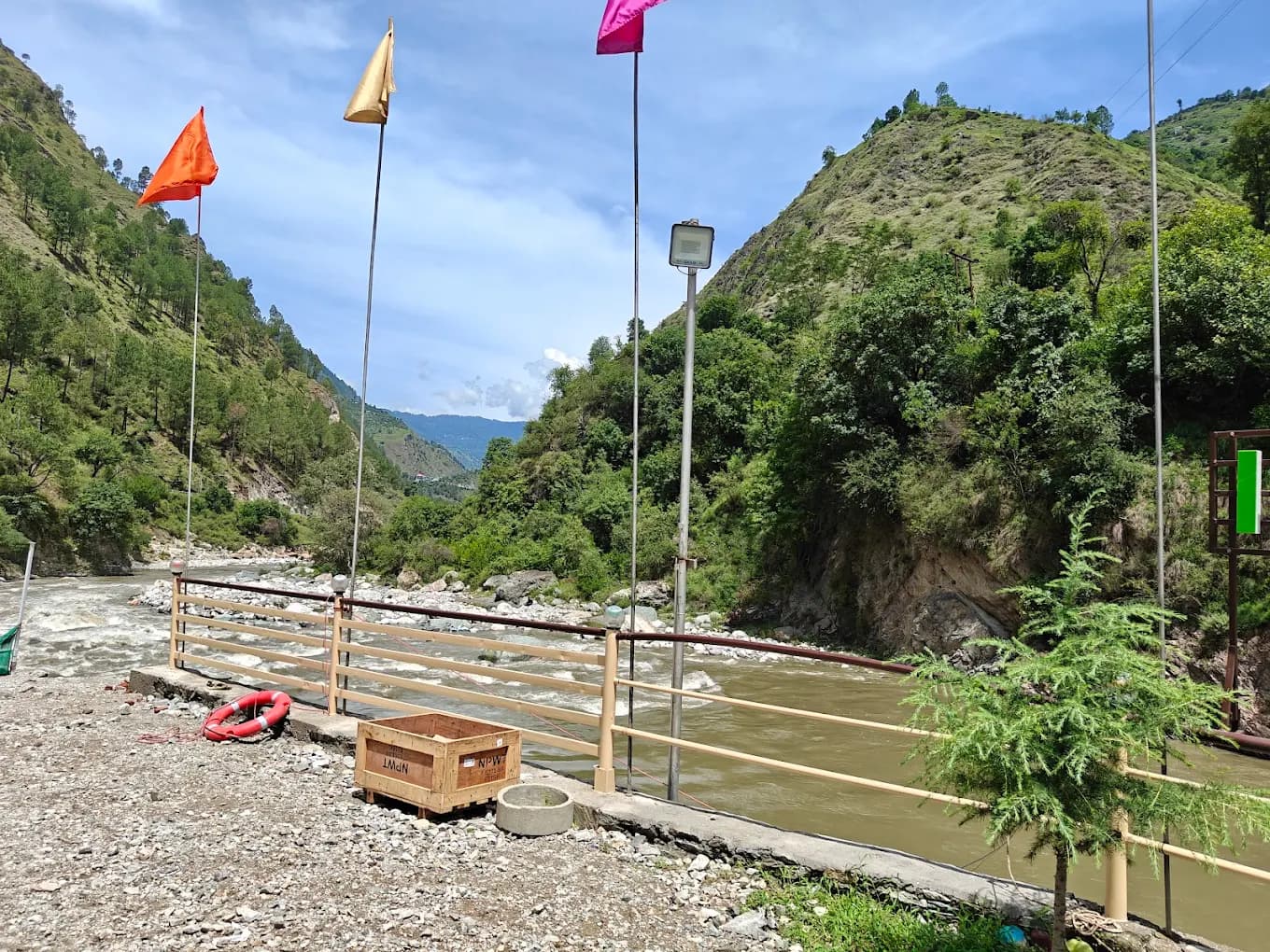
What happens between 7am and 9am in the mountains is difficult to explain to someone who hasn't experienced it. There is no traffic noise. No delivery bikes, no construction, no city hum. The sounds are the river, birds, and occasionally a dog somewhere across the valley.
In that silence, with coffee and a desk that faces something worth looking at, the first block of work happens at a depth that is genuinely unusual. Guests who track their output — writers, developers, designers — consistently report that their first two hours in the mountain produce more than their first four hours in a city office. The absence of interruption is not just pleasant. It compounds.
Why This Fades in Cities (And Why It Doesn't Here)
The mountain doesn't give you discipline. It removes everything that was stealing it.
The productivity literature is full of advice about morning routines — no phone for the first hour, journaling, cold showers. All of it is scaffolding built to recreate, artificially, a state that the mountain environment provides naturally. You don't need a cold shower protocol when the air outside is already 12 degrees.
The mountain doesn't give you discipline. It removes everything that was stealing it. The constant low-level anxiety of city life — the noise, the pace, the social static — requires energy to process, even when you're ignoring it. That energy, freed, goes directly into work.
This is the mechanic behind what guests describe. It's not magic. It's subtraction. And fourteen days of it changes how you think about what your baseline was.
What to Do With the Afternoons
By 1pm, the work is done — real work, the kind that moves things forward. The afternoons are genuinely free in a way that city evenings rarely are, because the morning didn't leave a residue of unfinished things.
Walk, read, sit by the river. The trail that runs along the Tirthan river takes forty minutes and returns you with the kind of tiredness that helps you sleep. The afternoon light on the ridge opposite the property changes every twenty minutes. It is worth watching.
If you've been chasing focus for the last two years, the mountain will show you what you were actually looking for. It's not a productivity system. It's a different place to be.
Want to experience this? Browse work-ready stays in Jibhi and Tirthan — each with verified WiFi, power backup, and proper desks.
See properties