
The Problem with Working from Home — and Why the Mountains Fix It
The freedom to work from anywhere, and yet most of us end up at the same kitchen table, surrounded by the same distractions.
If you've spent the last few years working remotely, you already know the paradox: the freedom to work from anywhere, and yet most of us end up working from the same kitchen table, in the same city, surrounded by the same distractions. The commute is gone, but so is the sense of place, of intention, of actually being somewhere.
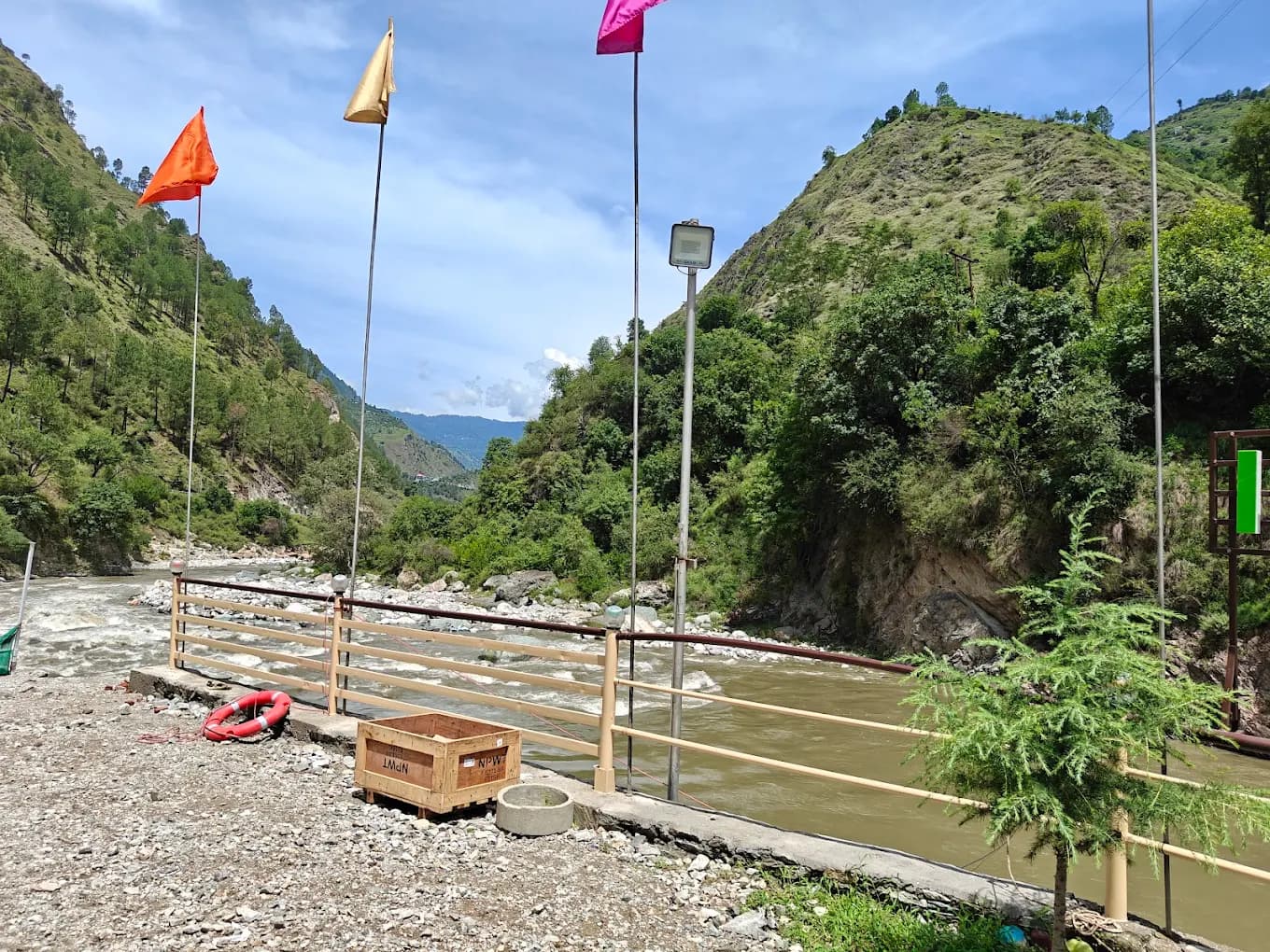
Jibhi, tucked into the Tirthan Valley of Himachal Pradesh at around 2,250 metres, answers that problem quietly and completely. It is not a tourist town. There are no malls, no traffic jams, no weekend crowds spilling out of rooftop bars. What there is, instead, is a river that runs cold and clear past your window, forests of oak and pine that muffle the world outside, and a pace of life that makes deep work feel not just possible — but natural.
This is the environment that Bungstays was built around: properties that combine the calm of the mountains with the infrastructure that modern remote work actually requires. Not a compromise, but an upgrade.
Connectivity You Can Actually Rely On
The first question every remote professional asks is the right one: what's the internet like? In Jibhi, the honest answer has changed dramatically over the last three years. Dedicated fibre connections at Bungstays properties deliver consistent speeds between 50 and 100 Mbps — sufficient for simultaneous video calls, large file uploads, and cloud-based workflows without interruption.
Power backup is standard, not optional. Himalayan weather is unpredictable, and a storm that cuts grid power should not cut your 3pm standup. Invertors and backup systems at our properties ensure you stay online through outages that would otherwise end a working day.
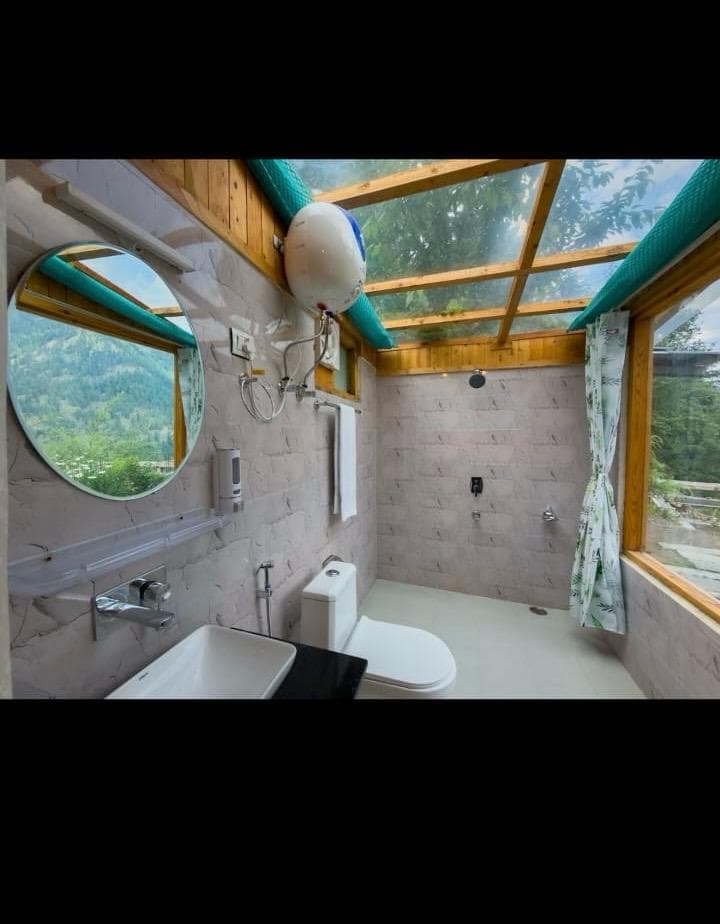
Workspaces are set up with the reality of remote work in mind — not just a table with a view, but ergonomic seating, adequate desk space, and dedicated quiet hours during the working day so that your focus is protected. This is what separates a work-friendly stay from a property that simply has WiFi.
The Cost Equation: What ₹25,000 Gets You Here vs. Bangalore
In Bangalore, ₹25,000 covers a modest shared room. In Jibhi, the same budget gets you a premium mountain property, meals, and high-speed internet.
In Bangalore or Mumbai, ₹25,000 a month covers a modest room in a shared apartment, no meals, no dedicated workspace, and a commute. In Jibhi, the same budget — or often less — covers a premium mountain property, meals, high-speed internet, and access to one of the most restorative natural environments in northern India.
Long-stay pricing at Bungstays properties is structured specifically for professionals staying a week or more. The longer you stay, the better the per-night rate — and the more deeply you settle into the rhythm of working from the hills. Many guests who come for a week extend to two, and many who come for two end up planning their return before they've left.
The financial case for a Himalayan workation is not a stretch. It is simply a matter of realising that your remote work budget, redirected from a metro city, buys significantly more quality of life in the mountains.
What a Working Day in Jibhi Actually Looks Like
You wake before the alarm, because the light comes in differently here — cleaner, earlier, without the amber haze of a city morning. Coffee is made while the valley below is still wrapped in low cloud. By 8am you are at your desk, and the first two hours of work are, without exception, the most focused you've had in months.
Lunch is local — dal and rice at a dhaba by the river, or a meal prepared at the property. The afternoon work block runs through to six. After that, the hills are yours: a trail that climbs through cedar forest, a walk along the Tirthan river, or simply sitting on the balcony watching the light change on the ridge opposite.
This is not a fantasy version of remote work. This is what guests at our Jibhi and Tirthan properties describe, consistently, after their first full working day in the mountains. The environment does the work that productivity apps cannot: it removes the noise, slows the mind, and makes the actual work sharper.
Want to experience this? Browse work-ready stays in Jibhi and Tirthan — each with verified WiFi, power backup, and proper desks.
See propertiesJibhi for Teams: The Case for a Focused Offsite
Remote teams face a specific challenge that solo workers do not: distributed collaboration tends to flatten relationships into task lists and status updates. An offsite in the mountains changes that dynamic in ways that a hotel conference room never will.
Several of our properties in Jibhi accommodate small teams of four to eight people, with shared workspaces during the day and communal dining in the evenings. Conversations that would take three weeks of async messages happen over dinner. Decisions that were stuck in email threads get made on a morning walk.
Our 7-day Mountain Focus package is built around exactly this model: structured work time during the day, shared experiences in the evenings, and the kind of environment that makes both possible.
How to Get Here and What to Expect
Getting to Jibhi from Delhi is straightforward: a direct overnight Volvo bus to Aut or Bhuntar, followed by a two-hour taxi through the valley. Door to desk in under twelve hours. From Chandigarh, the same journey takes seven. Most guests arrive on a Sunday and settle in before Monday morning's first call.
We have properties at two points in the valley — riverside in Tirthan and forest-edge in Jibhi — each with a different character. The Tirthan property suits guests who want the sound of moving water and easy access to the Great Himalayan National Park. The Jibhi property, set back in the forest, is quieter and more secluded.
The best way to begin is to browse our Jibhi and Tirthan stays, check availability for your dates, and send an enquiry via WhatsApp. We respond within a few hours.